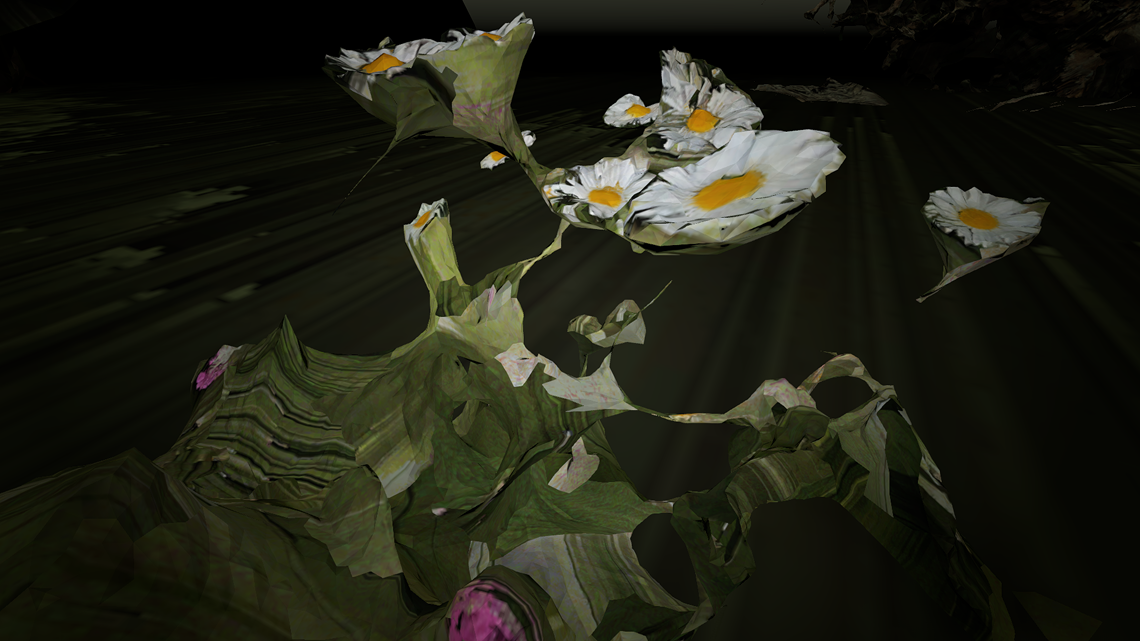
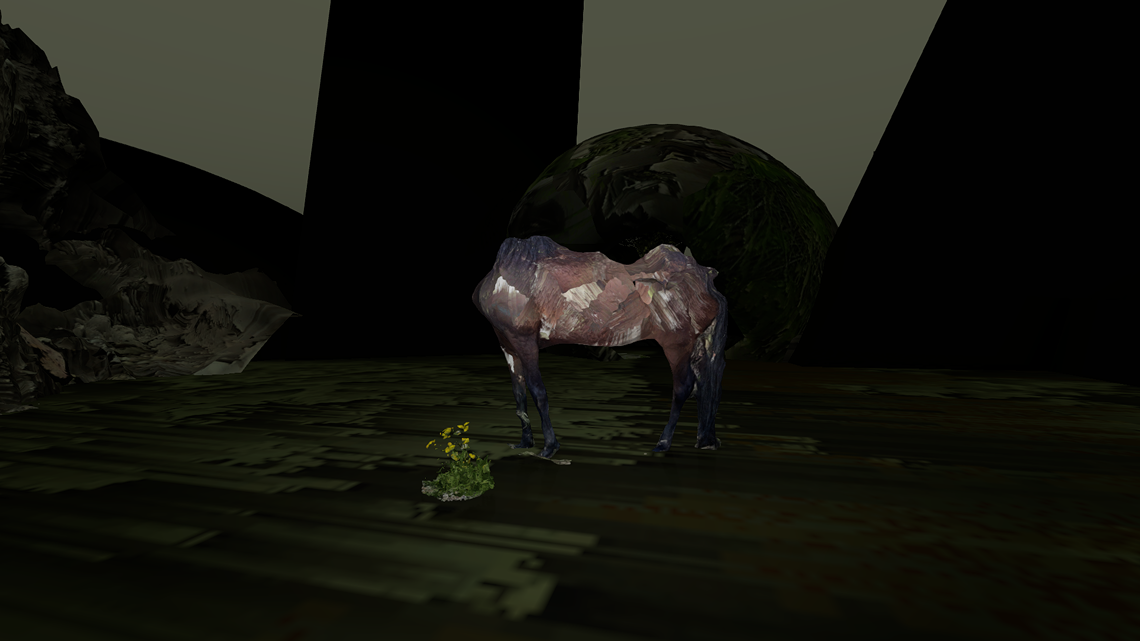
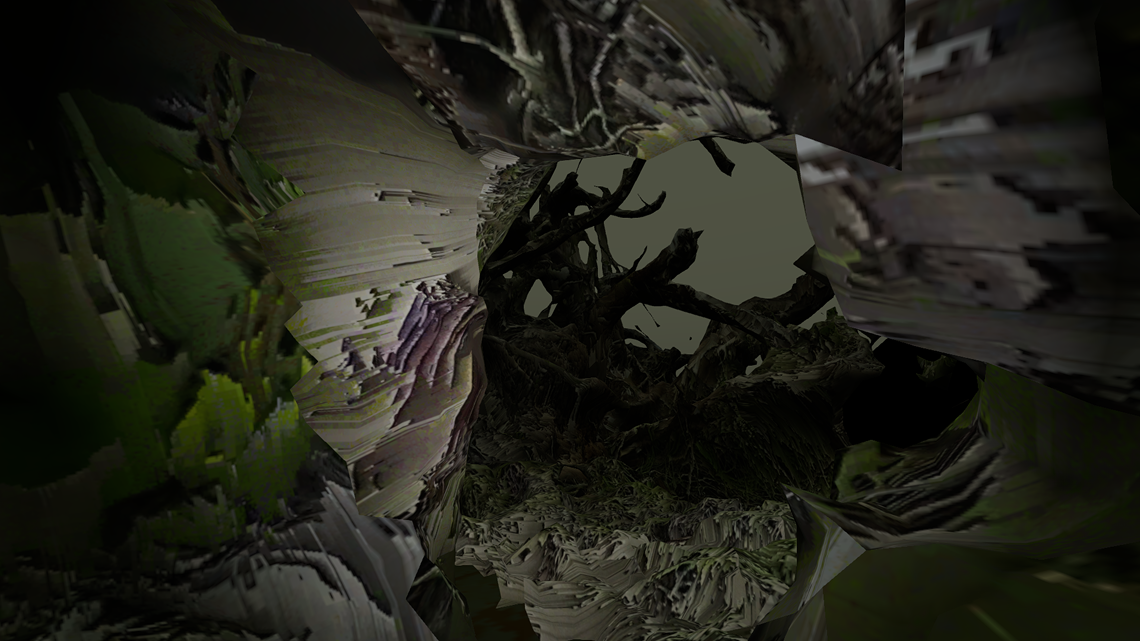
Liminal was developed in the rural landscape of the Colombian Andes. The walkable environment is composed of digital imprints
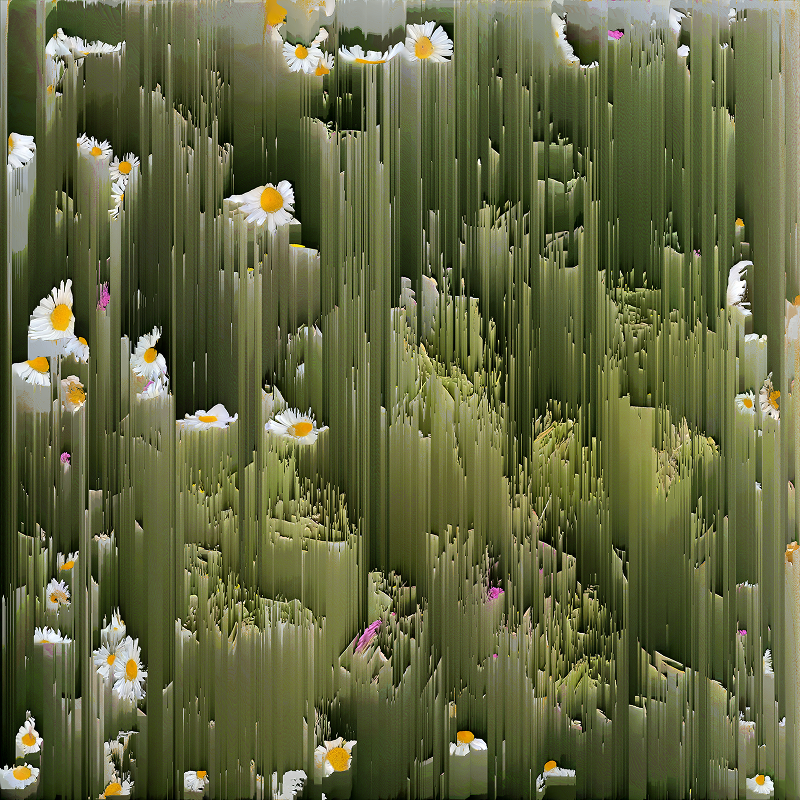
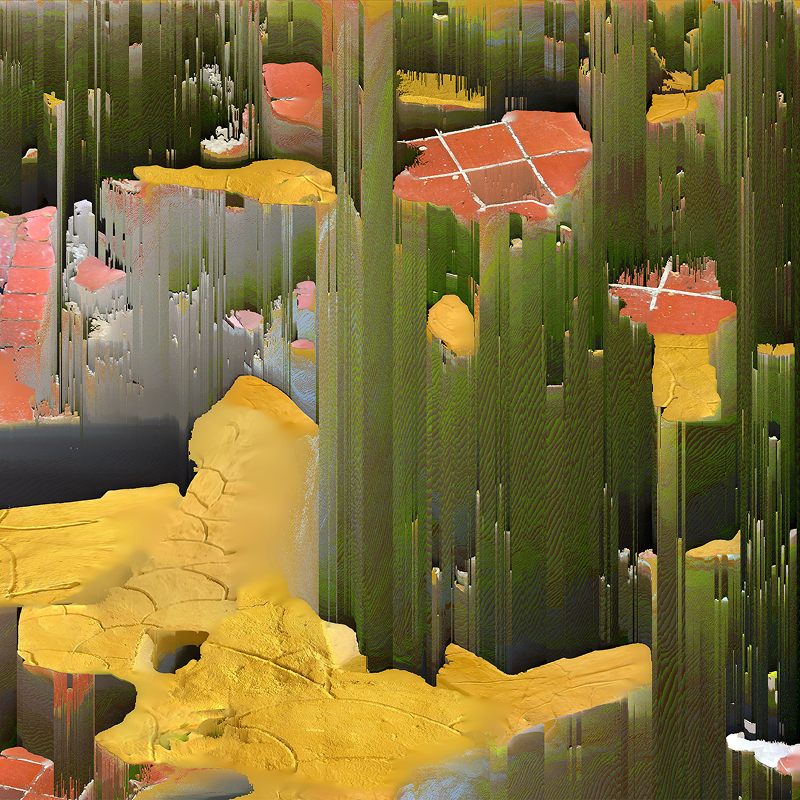
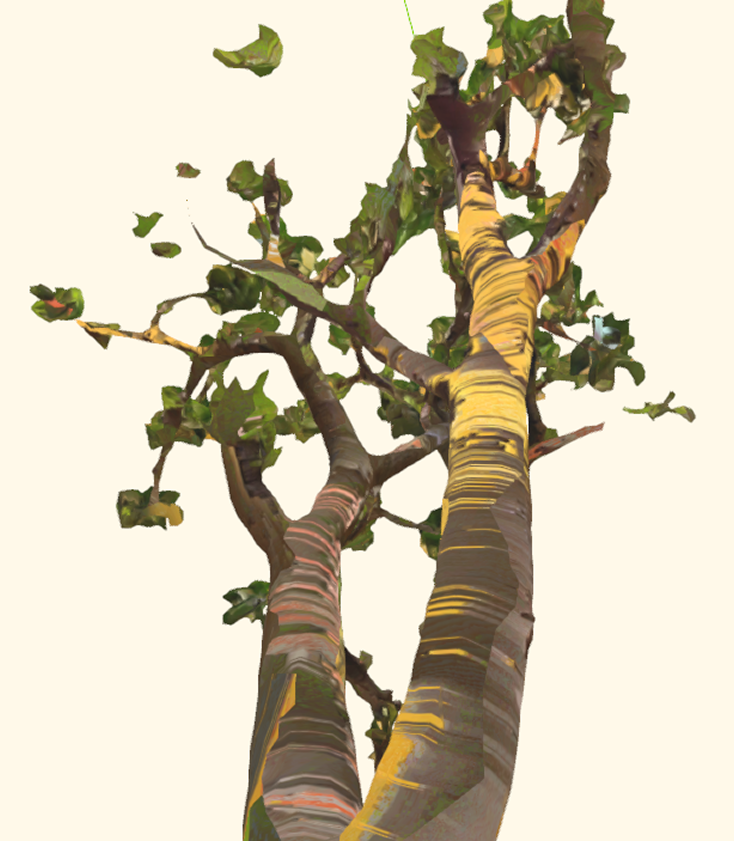
of natural forms, plants, animals, and spaces of everyday rural life—such as a village house—captured through photogrammetry.
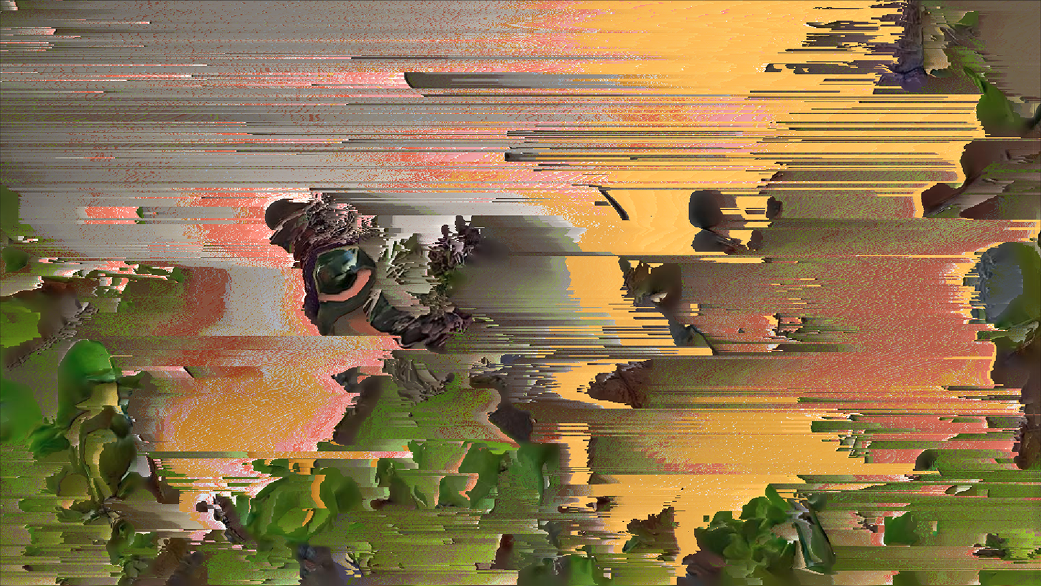
Rather than being corrected, the errors generated during the scanning process were further transformed. The textures were manipulated through image-processing techniques, causing the objects to partially merge with their original surroundings while remaining recognizable. As a result, they occupy a liminal state between the physical object and its digital reflection.
By rearranging these three-dimensional objects and combining them with additional elements, a navigable game environment emerged, where forms gradually reveal themselves as the visitor moves through the space.
Some of the plants and objects featured in the work existed in that particular form only at the moment of capture. Their digital counterparts, however, remain preserved in a state untouched by decay.
The project was developed on a farm, in a converted stable, using minimal technological resources and a nearly ten-year-old laptop. These technical limitations became an integral part of the work's visual language, recalling the simple lighting, reduced environments, and the dreamlike, unstable spatial experience of early video games.
Rather than being corrected, the errors generated during the scanning process were further transformed. The textures were manipulated through image-processing techniques, causing the objects to partially merge with their original surroundings while remaining recognizable. As a result, they occupy a liminal state between the physical object and its digital reflection.
By rearranging these three-dimensional objects and combining them with additional elements, a navigable game environment emerged, where forms gradually reveal themselves as the visitor moves through the space.
Some of the plants and objects featured in the work existed in that particular form only at the moment of capture. Their digital counterparts, however, remain preserved in a state untouched by decay.
The project was developed on a farm, in a converted stable, using minimal technological resources and a nearly ten-year-old laptop. These technical limitations became an integral part of the work's visual language, recalling the simple lighting, reduced environments, and the dreamlike, unstable spatial experience of early video games.